
Categories

Zopoise ZB04 E022KBC - 22kW AC Wallbox - electric car wall charger | 22kW - 3x32A | Type 2 cable | App. and RFID card charging control
475.72 €
Zopoise ZB04 E022KBC - 22kW AC Wallbox - electric car wall charger | 22kW - 3x32A | Type 2 cable | App. and RFID card charging control
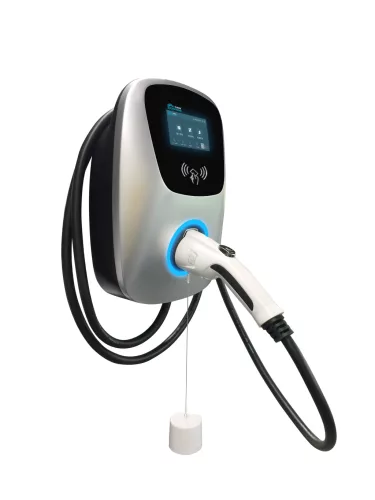

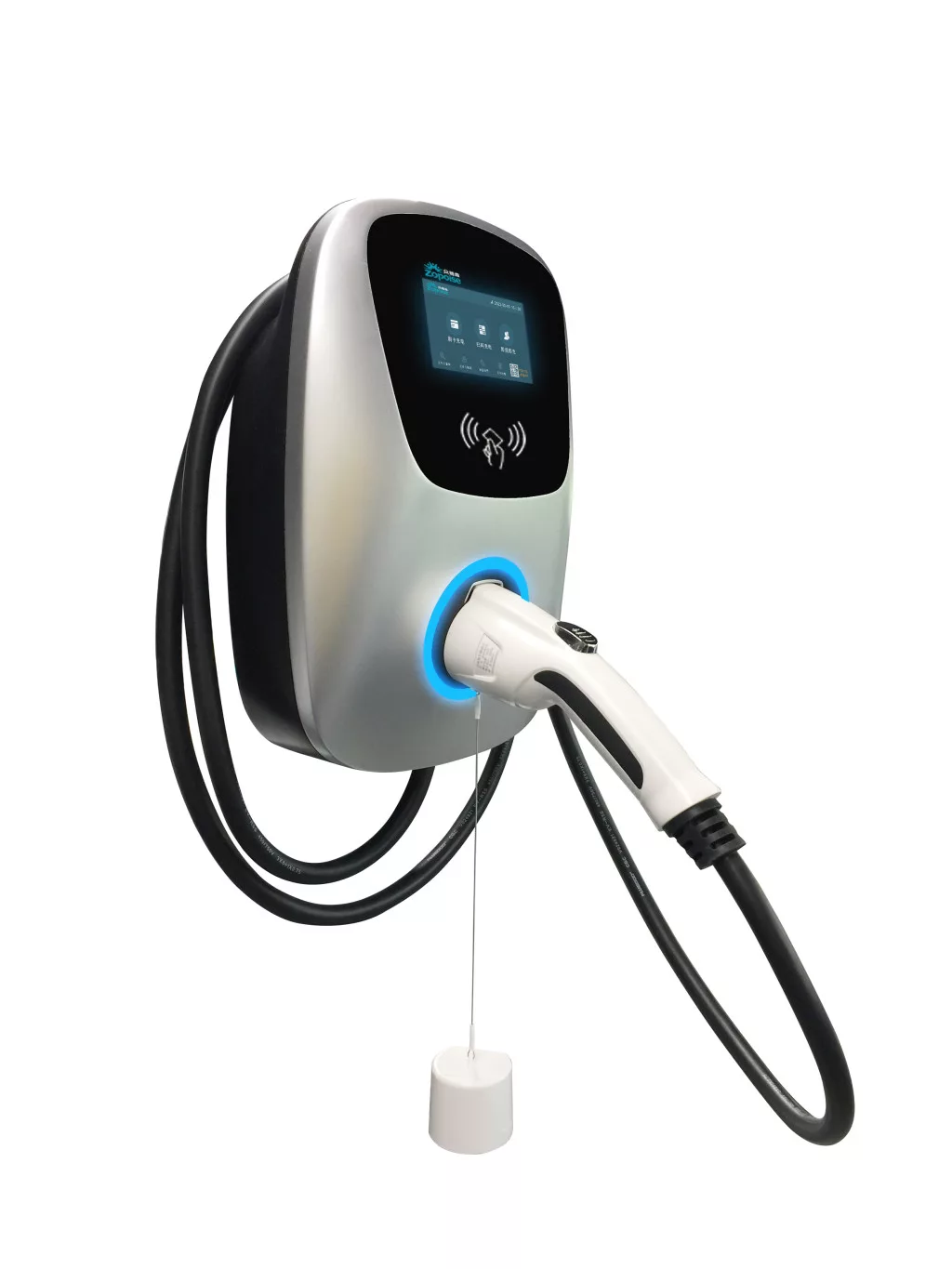
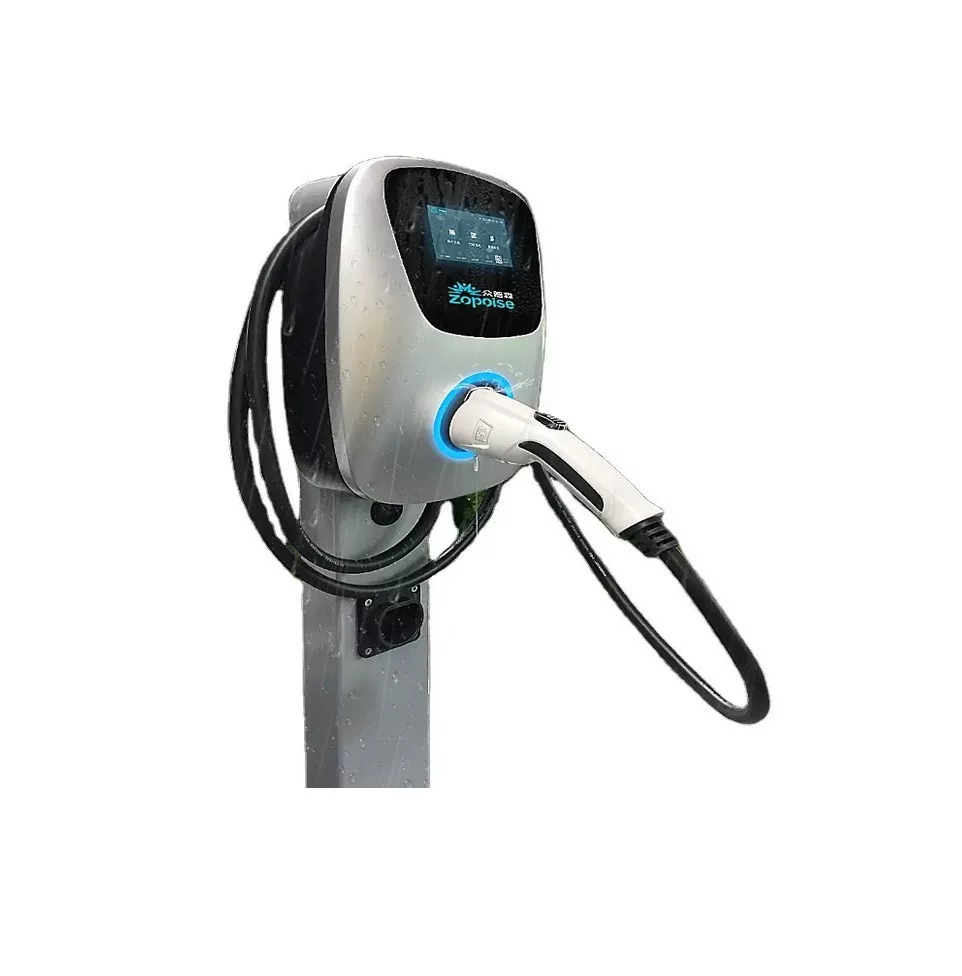
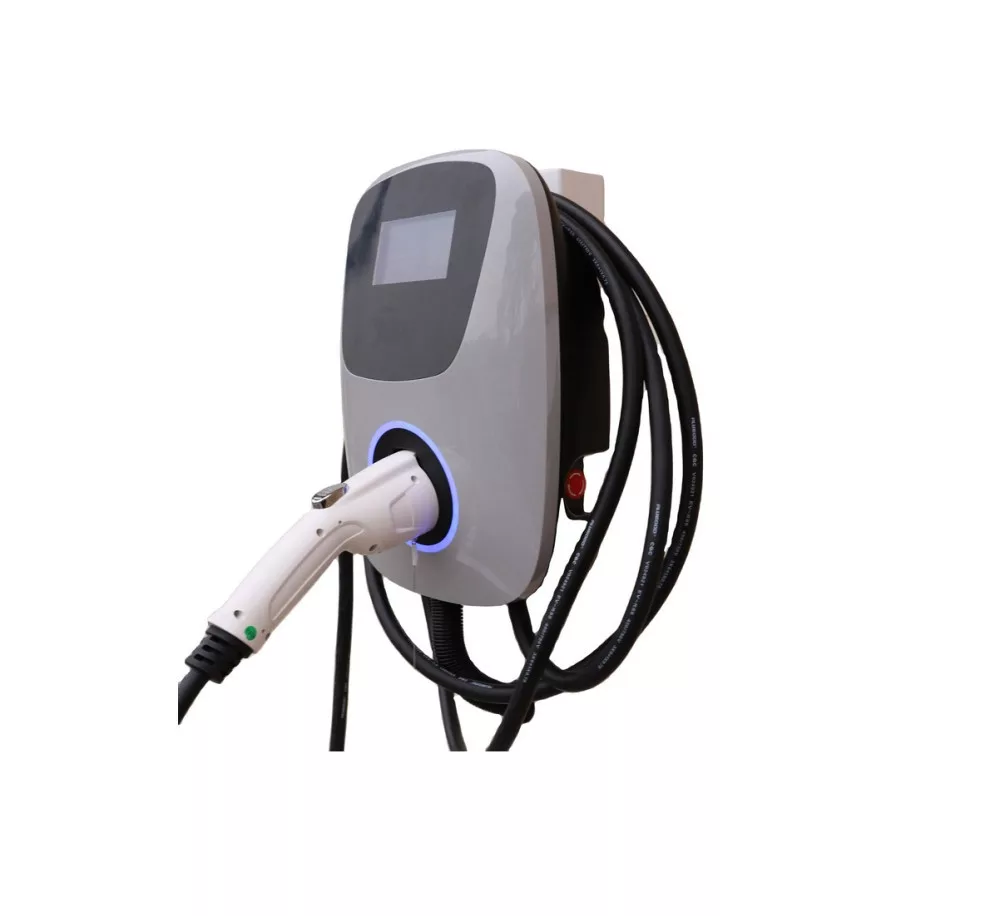
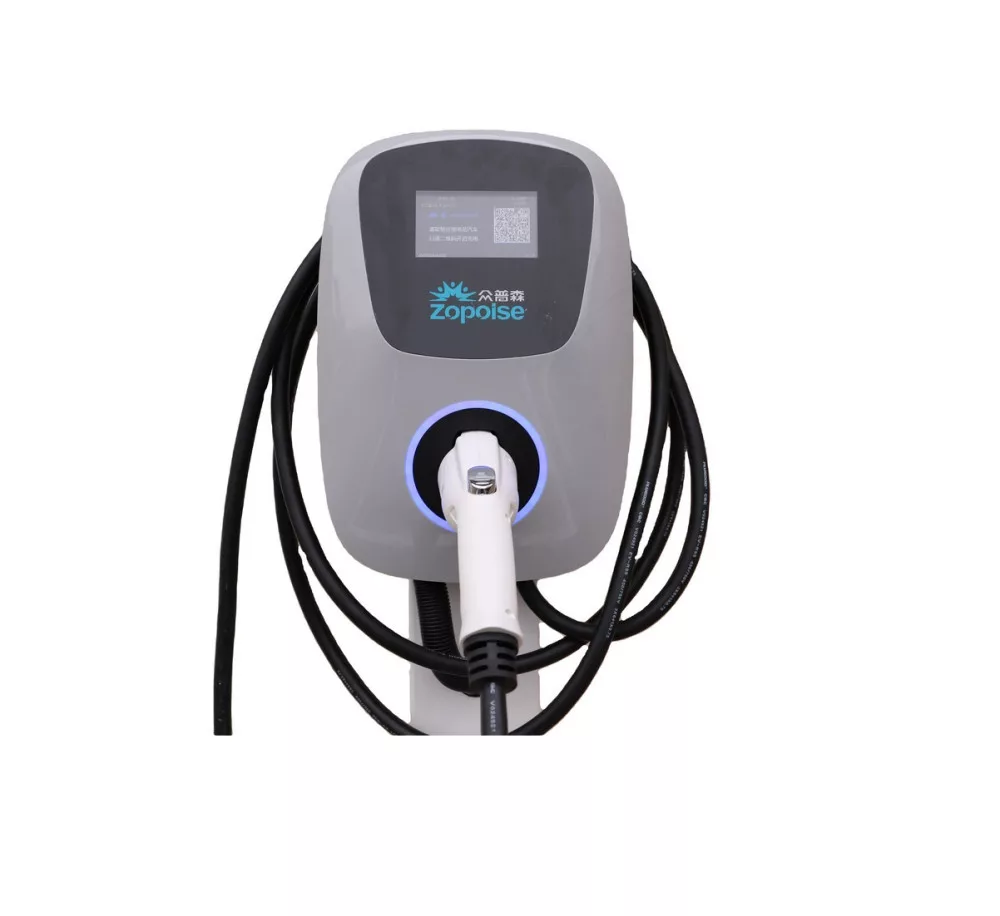
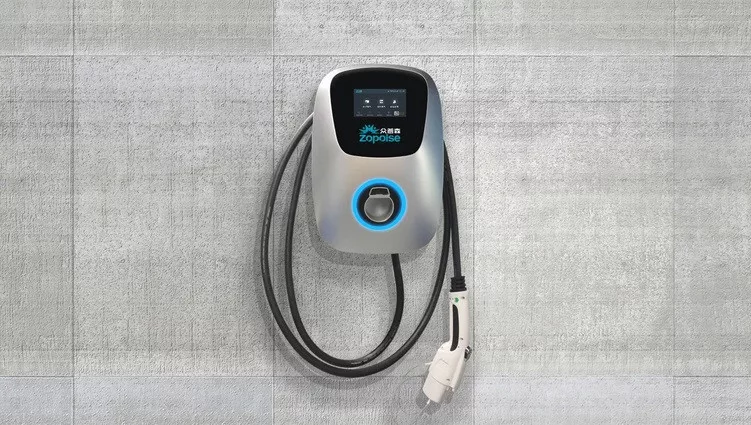
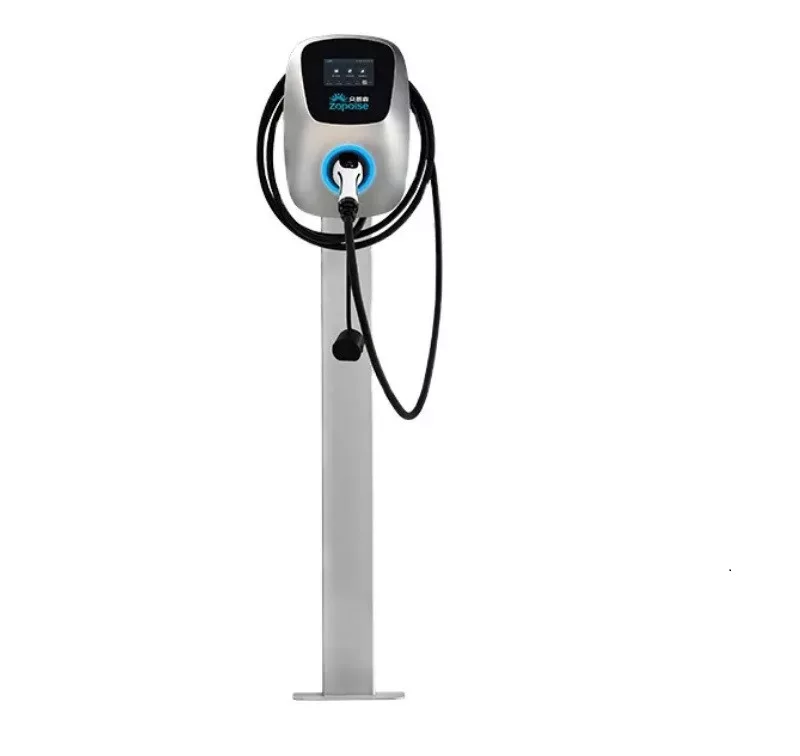
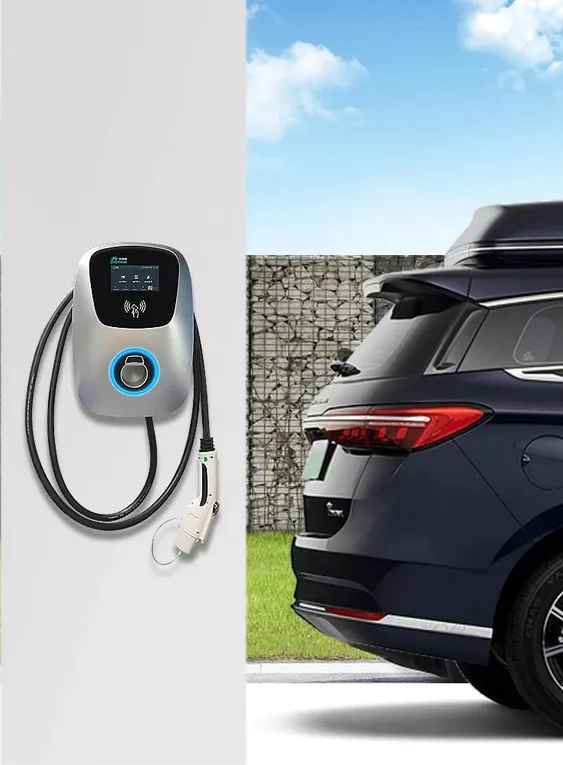
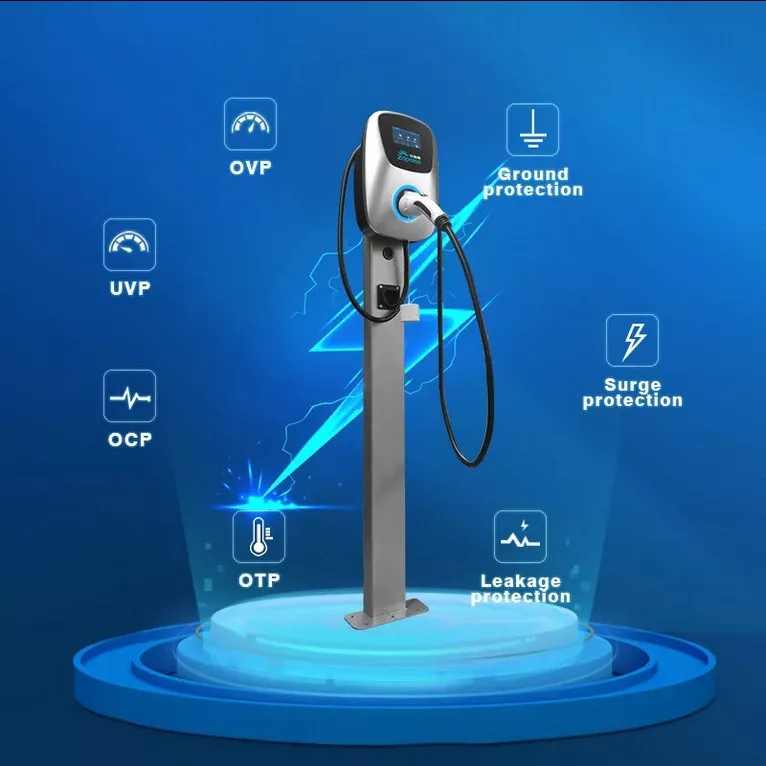
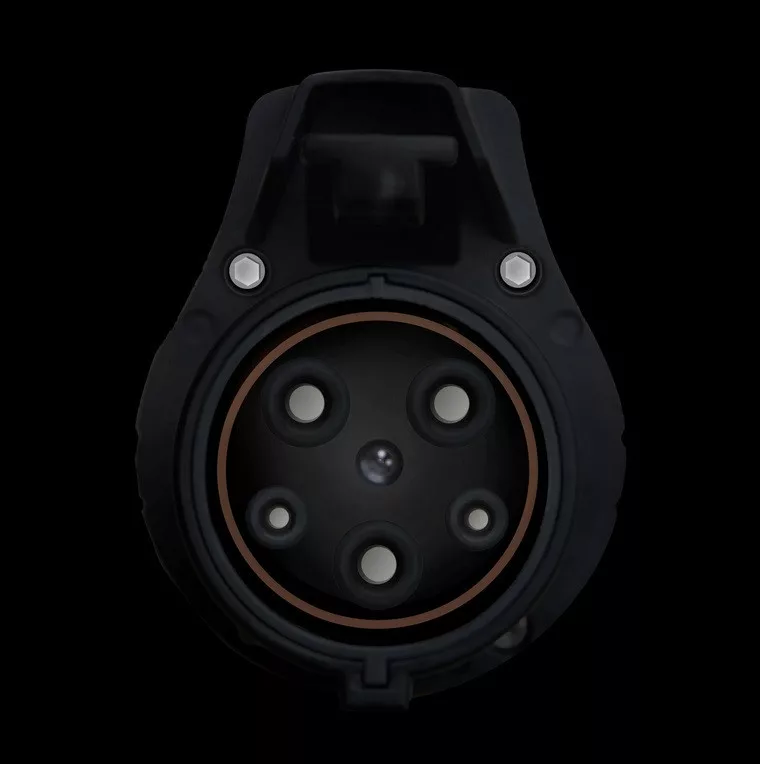
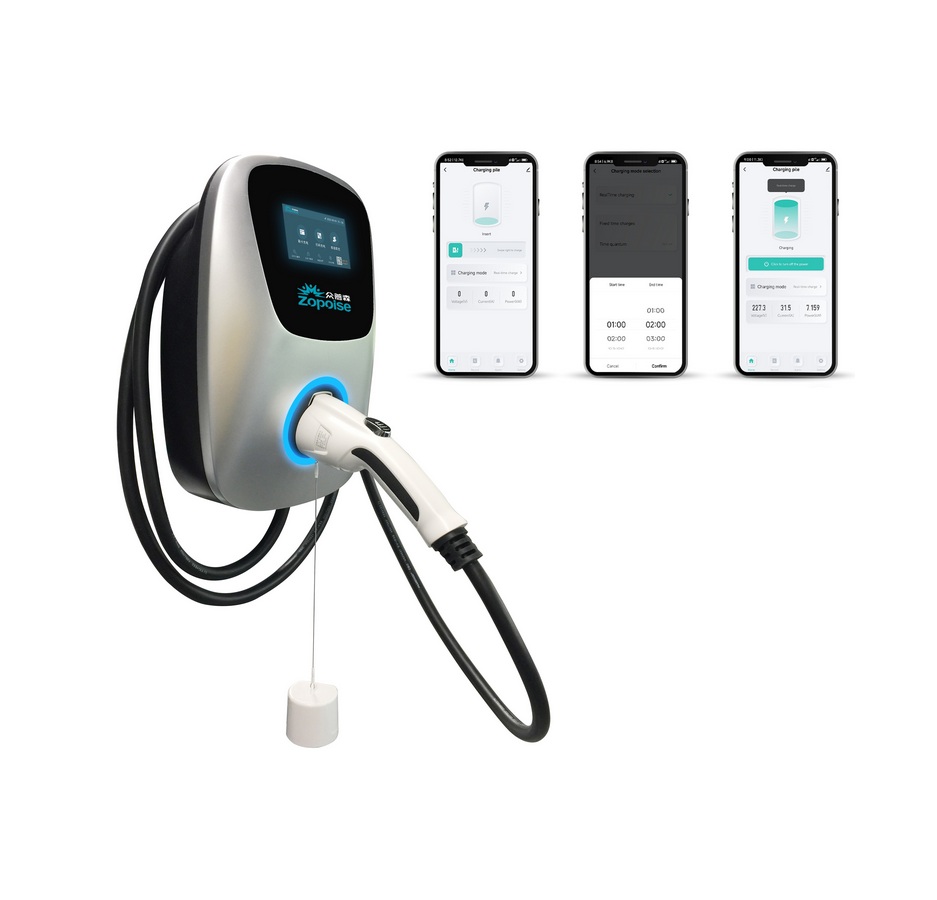
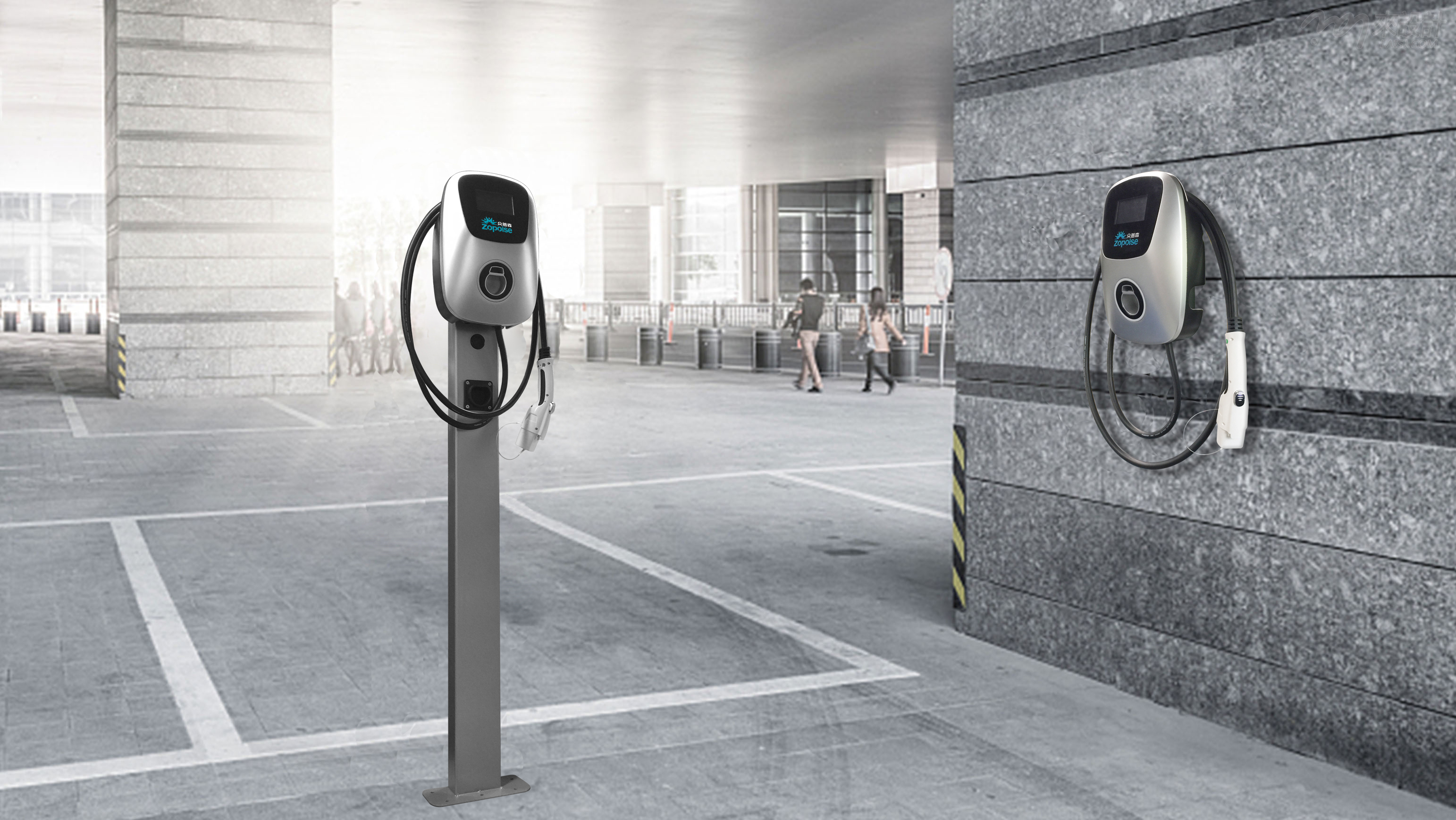
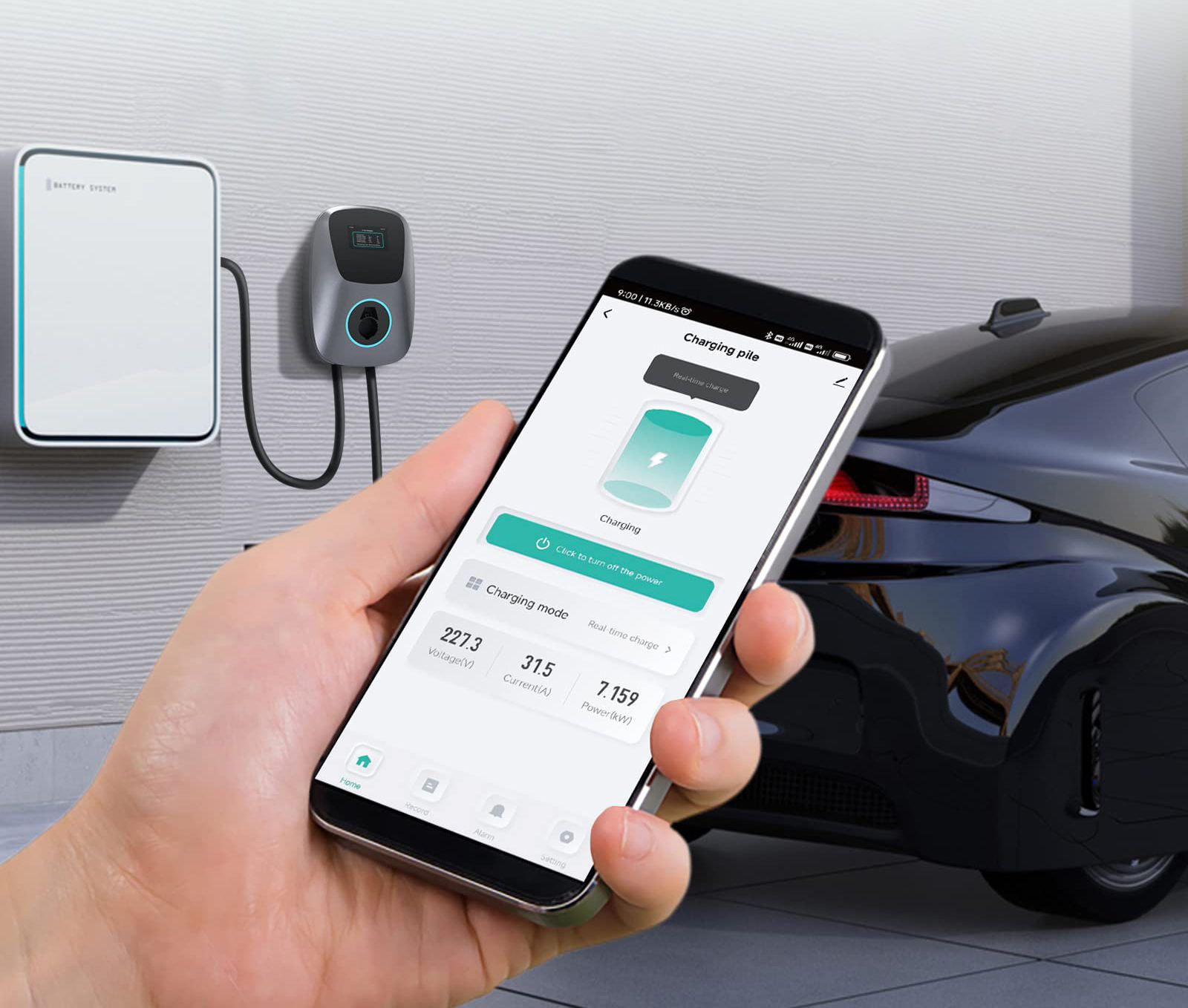
Charge your electric car comfortably at home with Zopoise's wallbox that can be mounted on a wall or pole. You can set the charging power and timing from the application, where you can track the currently charged kWh and the charging time. You can start charging with a WiFi connection, through the Application and with an RFID card.
Compatible with all cars with a Type 2 connector. The charging time depends on the on-board inverter of your car.
You can find out about the installation steps here.
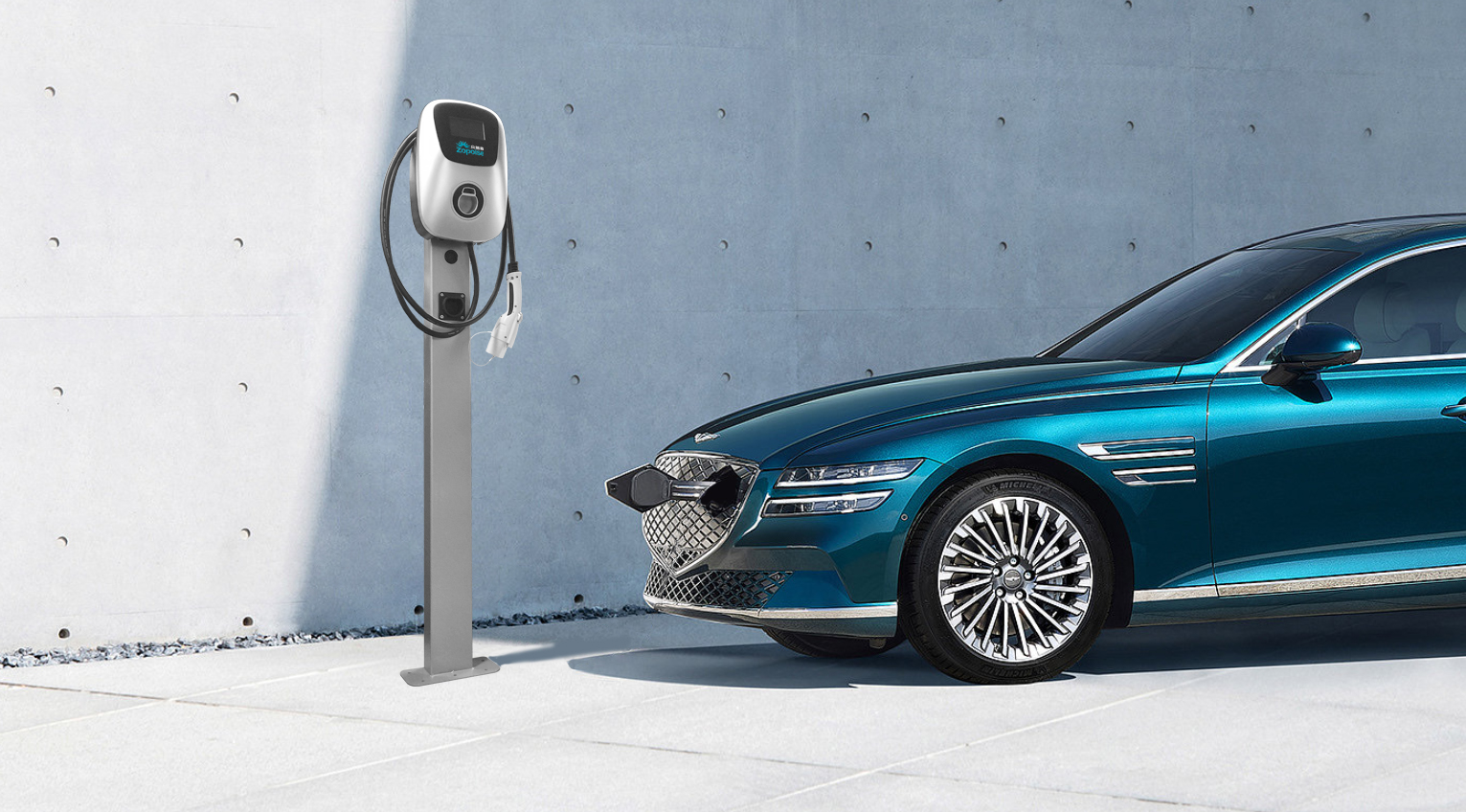
You can also choose a column for it.
| Brand | Zopoise |
| Series | ZB04 |
| Model | E022KBC |
| Warranty | 1 year |
| Color | Silver |
| Application Name (IOS & Android) | Tuya / Blitzwolf / Smart Life |
| Controllability | Application, RFID card |
| Display | LED, 4.3" |
| Charging indicator | Application, LED |
| Output power | 22kW |
| Output current | AC (alternating current) |
| Input voltage | It was 230 |
| Input phase | 3 phase (3x32A) |
| Charging cable length | 5 meters |
| Water resistance level | IP54 |
| Recording | Wall, charging station |
| Electric car connection standard | Type 2 |
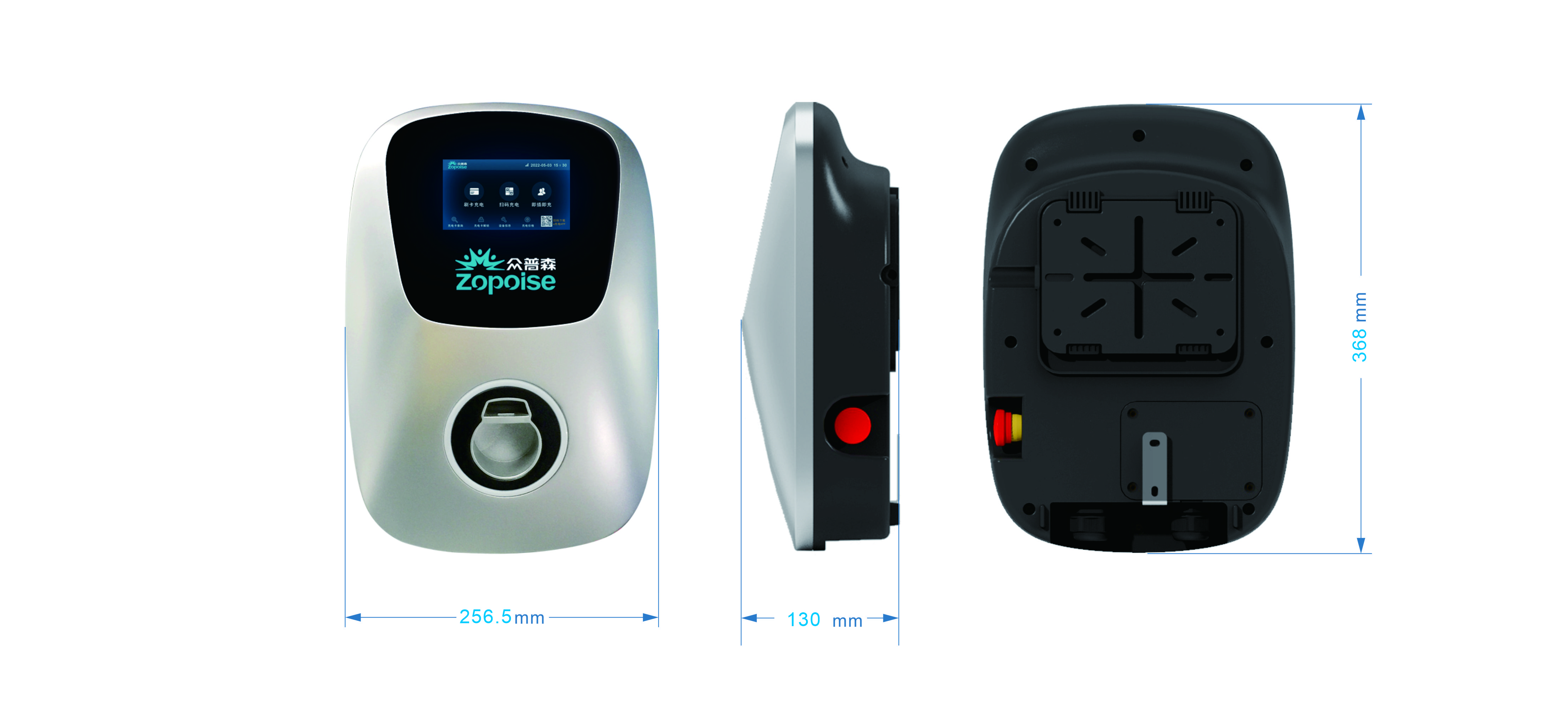
| Size | 368 x 256.5 x 130mm |
| Weight | 4.8 Kg |
| Compliance standards | GB/T20234, GB/T18487, GB/T27930, NB/T33008, NB/T33002 - UL 2594 - IEC/EN 61851-1, IEC/EN 61851-22 |
| Contents of the package | - Zopoise ZB04 E022KBC AC Wallbox, equipped with 5m Type 2 cable - RFID card |
Zopoise Technology Co., Ltd. was established in January 2014. Our company is a high-tech enterprise that integrates research and development, production and sales of intelligent power supplies, charging piles/chargers of new energy carriers and other products. We introduced mature technology and implemented efficient industrial production. For example, we introduced the PDM R&D management software and system; The company built a 2,000-square-meter testing laboratory, which created a solid foundation for the reliability, safety, and service life of our products. Our company pays attention to investing in intelligent manufacturing, including fully automatic artificial intelligence machines, SMD assemblers, functional testing systems, aging systems, plug-in modules and wave roof equipment. We have met ISO9001, ISO14001, ISO45001, IATF16949 and other system certificates.
In stock. Delivery: 2-5 days. (depend on your country)
475.72 €
We also recommend the following product as an accessory
Details
Premium 22kW Smart Wall Charger: Maximum Power and Intelligent Control for Your Home
Step into the future by charging your electric car! Introducing our latest generation 22kW wall charger, designed to give you the fastest, safest and most convenient charging experience possible. Forget about compromises; with this smart charger, you are in complete control, while your car is always ready to go.
Key Features and Benefits
Impressive 22kW charging power
With a capacity of 3x32A, this charger offers one of the fastest home AC charging solutions available today. It can drastically shorten charging times, so your car can reach its maximum range much sooner. It is also a perfect choice for modern electric cars with larger batteries. Please note that the charging speed also depends on the power of the inverter installed in your car.
Flexible and dynamic power control ️
You don't always have to be at the top! The innovative control allows you to easily adjust the charging power via the app, even while charging. Adjust the charging to the current energy consumption of your household, the time of day, or the production of your solar system, thus optimizing your energy costs.
Triple starting freedom
Choose the most convenient starting method for you:
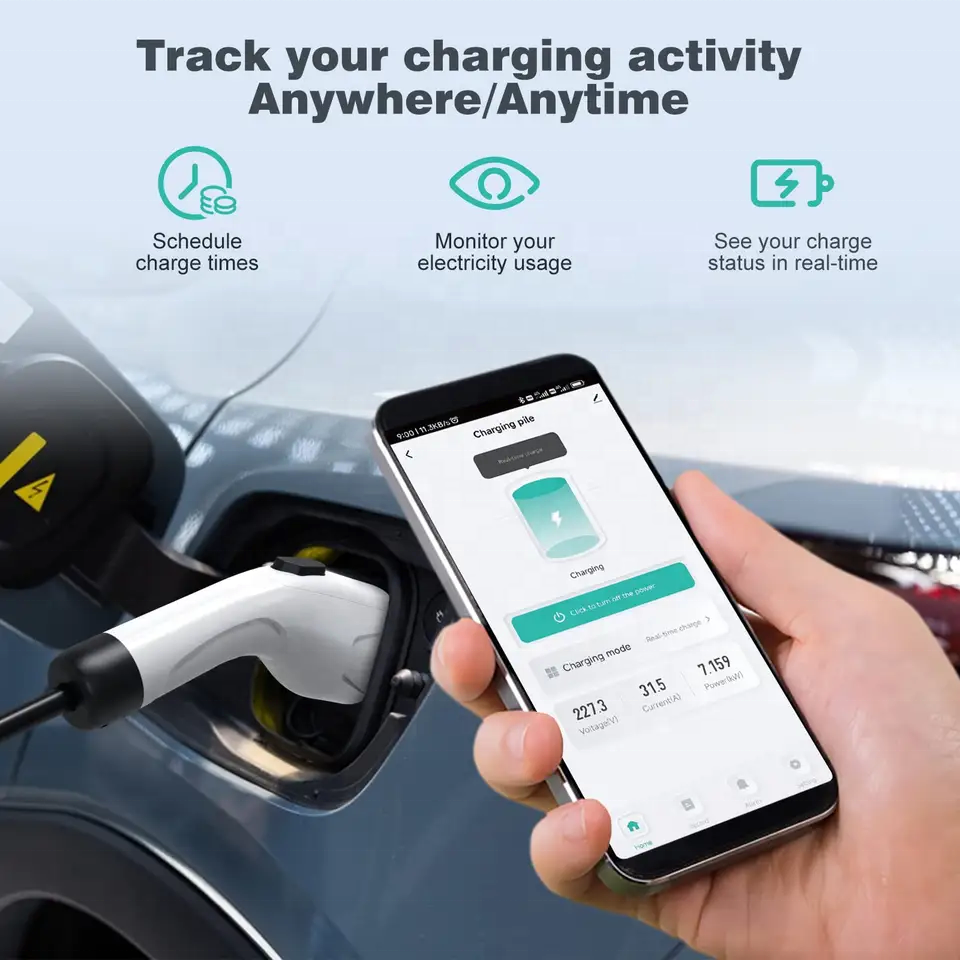
Mobile app: Start and stop charging from anywhere with a single touch. Track the progress in real time and access all smart functions.
RFID Card: With the RFID card included in the package, you can safely start charging with one movement. Ideal if the charger is used by several people in the family or in an apartment building.
Plug & Charge: Are you a fan of simplicity? Set this mode and charging will start automatically as soon as you plug in your car. No special authorization is required.
Universal compatibility for all cars with a Type 2 connector (EU standard)
You don't have to worry about brands and models. This wall charger is compatible with all electric and plug-in hybrid cars equipped with a Type 2 (EU standard) connector. Whether it's a Tesla, BMW, Mercedes, Volkswagen or any other European model, a smooth connection is guaranteed.
Smart features and security
Charging History and Analytics
You can track and filter your past charging data in detail in the dedicated mobile app. See when, for how long and how much energy (kWh) you charged your car. You can easily export the data or send it to yourself by email, which can be extremely useful for tracking costs or for company accounting.
Anti-theft protection for peace of mind
Keep both your charger and cable safe. To start charging, you need to authenticate via the app (via WiFi) or with an RFID card. When you put the charging cable back on the wallbox, an automatic lock blocks it, so that unauthorized people cannot remove or steal it.
Certifications and warranty
Tested Quality and Reliability
All electric car wall chargers we sell undergo a rigorous testing process. The product not only has the mandatory European CE certification, but also meets the highest international standards, guaranteeing long-term, safe and reliable operation.
Installation Information and Safety Regulations
Installing an electric car charger is a task that requires expertise, which affects the security of the system and the validity of the warranty. For maximum performance and safe operation, installation should always be carried out by a registered and qualified electrician in accordance with local regulations and standards.
Below we summarize the most important aspects that must be taken into account during installation:
1. Adequate Electrical Network and Power
The 22 kW (3x32 Amps) power puts a significant load on the electrical network. Before installation, the professional must assess whether the existing electrical network of the property (apartment, house, office) and the power (amps) according to the service contract are sufficient to operate the charger. In many cases, a network extension may be required from the electricity supplier, which means increasing the number of available amps.
2. Essential Protective Devices
For safe operation and legal compliance, the charger must be connected to a separate, dedicated circuit, which must be equipped with the following protective devices in the switchboard (distribution board):
FI relay (Residual Current Device / RCD)
Indispensable due to its life-saving function. In the event of an electrical leakage (e.g. failure or contact), it immediately disconnects the circuit. Most modern chargers require a type "A" FI relay, which is also capable of detecting pulsating DC leakage. Certain car and charger types may require the more expensive, but all
type "B" type FI relay that protects against leakage current. The task of the specialist is to select the appropriate type.
Miniature circuit breaker (MCB)
Protects the line and the charger against overload and short circuit. In the case of a 22 kW, 3-phase charger, a 3-pole, 32 Ampere (C characteristic) miniature circuit breaker must be installed.
Surge arrester (SPD)
This device monitors the mains voltage. As soon as it detects a voltage peak exceeding the normal value, it conducts the excess energy to ground within a fraction of a second, thus protecting the devices on the connected circuit - in this case the wall charger. Most often, a T2 (Class II) type surge arrester is used.
3. Appropriate Cable Thickness (Cross Section)
A cable of appropriate thickness is required to safely transmit 22 kW of power. To connect the charger, you need a 5-core copper cable (3 phase conductors + 1 neutral conductor + 1 ground conductor).
The minimum recommended cross-section is usually 5x6 mm².
Important: The exact cable thickness must be determined by the installing electrician! The decision is influenced by the length of the cable (distance between the switchboard and the charger) and the way the cable is routed (e.g. in a wall, cable duct, in the ground). For longer distances, a thicker cable, e.g. 5x10 mm², may be required to avoid voltage drops.
In summary: Professional installation is not just a recommendation, but a prerequisite for safety and reliability. Before purchasing the charger, it is worth consulting an electrician to assess the characteristics of your home network and the expected costs of installation.
Data
Szállítási idő:
1 nap
Max. teljesítmény:
22kW
Fázis:
3 x 32A
Irányítás App-pal:
Igen
Csatlakozó kábel típus:
Type 2
Irányítás RFID kártyával:
Igen
Szín:
Ezüst
Rögzítési mód:
Falra, vagy oszlopra
GTIN:
5999571646616
Manufacturer:
Zopoise
Bundle offers
Reviews
Be the first to write a review!
Similar products